




2.5L Audi BMW Chevy Used Engine
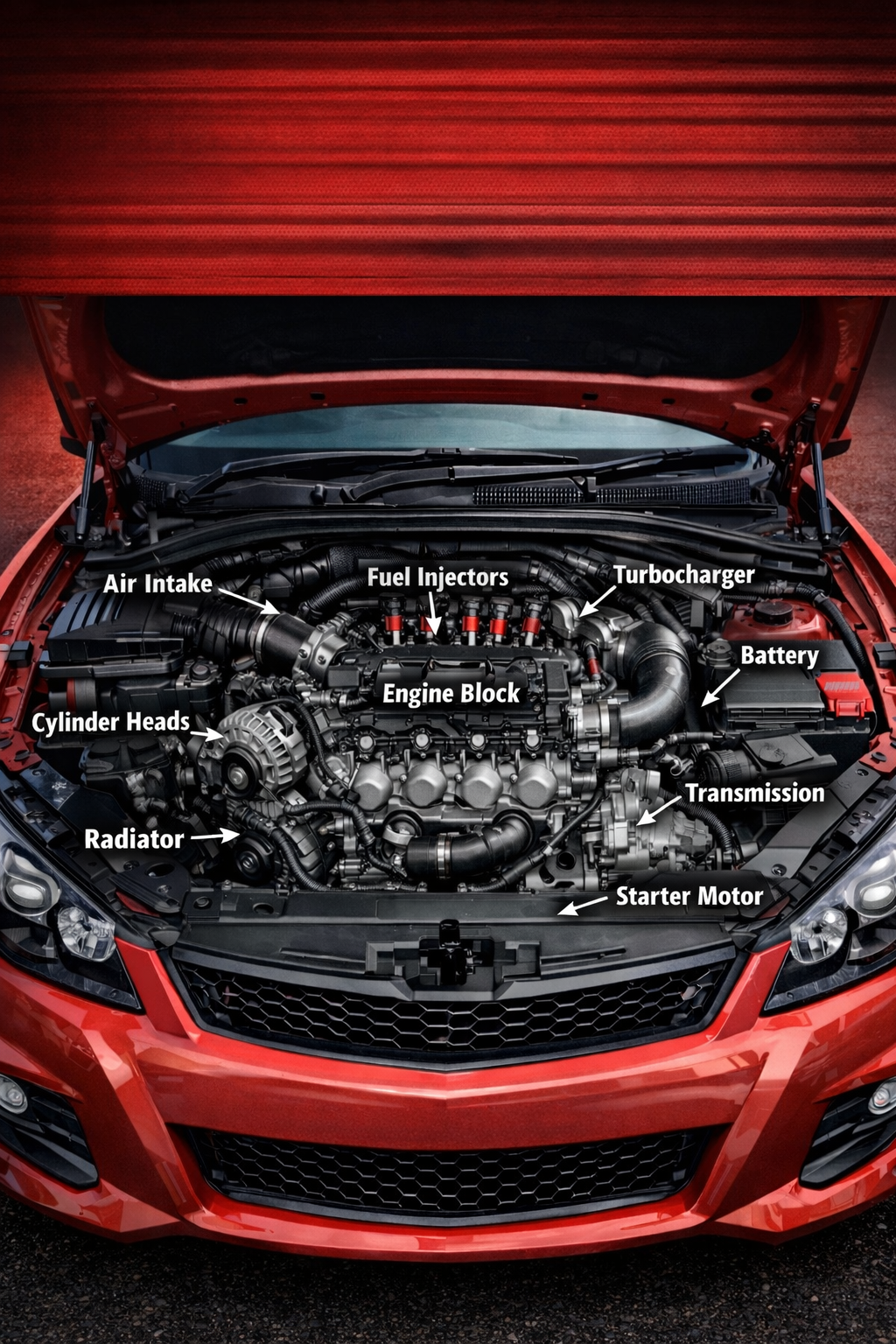
The 2.5L engine configuration has been widely used by Audi, BMW, and Chevrolet in different vehicle segments because of its balance between fuel efficiency, power output, and long-term reliability. Although each manufacturer designs its engines differently, the 2.5L displacement remains popular for midsize sedans, SUVs, and performance-oriented vehicles.
Audi commonly used the 2.5L inline-5 turbocharged engine, known for strong torque delivery and sporty performance. Popular Audi engine codes include CEPA and CZG, often found in RS performance models. BMW used naturally aspirated and turbocharged 2.5L inline-6 engines such as the M54B25 and N52B25, recognized for smooth acceleration and balanced driving dynamics. Chevrolet introduced several 2.5L inline-4 EcoTec engines, including the LCV and LKW engine codes, designed for fuel economy and daily driving reliability.
Most 2.5L engines feature aluminum engine blocks, DOHC valve configurations, electronic fuel injection, and variable valve timing technology for improved combustion efficiency. Depending on the manufacturer, horsepower output generally ranges between 190 HP and 400 HP in high-performance turbocharged applications.
The 2.5L platform remains a common choice in the used engine market because replacement parts are widely available and many models are known for long service life when properly maintained.