




Free Shipping
to commercial address

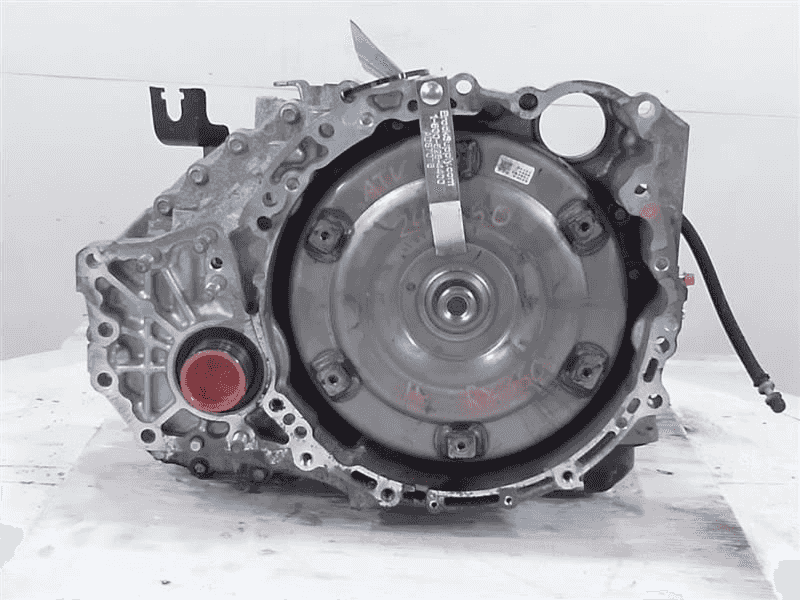
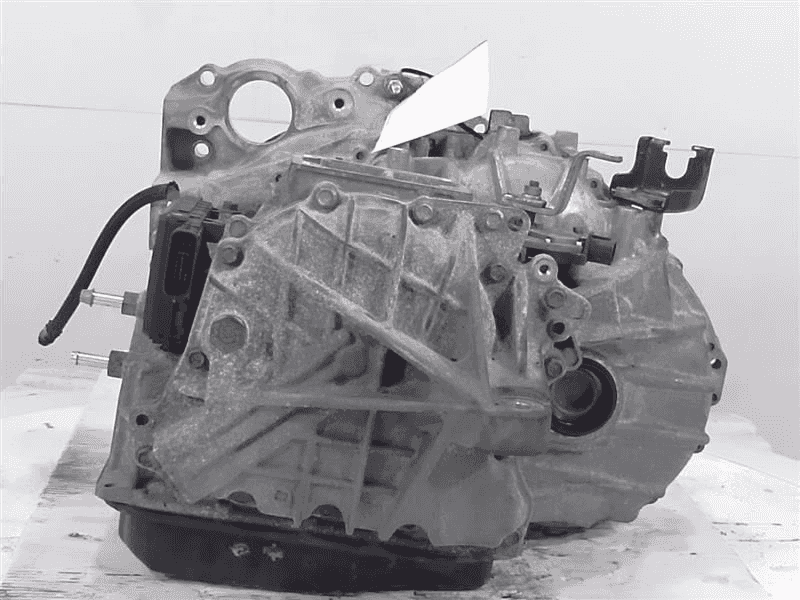
Generic used transmission — actual part may vary
The 2015 Lexus RX 350 comes equipped with a 3.5L V6 engine paired with a smooth and reliable automatic transmission. Most standard models feature a 6-speed automatic transmission, while the F SPORT variant offers an upgraded 8-speed automatic transmission for enhanced performance and responsiveness.
Buyers can choose between Front-Wheel Drive (FWD) and All-Wheel Drive (AWD) configurations. Both setups are well-known for their durability, but regular maintenance plays a key role in ensuring long-term reliability.
Although the RX 350 is considered reliable, some owners may encounter the following issues:
Addressing these symptoms early can help prevent costly repairs and ensure safe driving.
If a transmission replacement becomes necessary, costs can vary depending on the option you choose:
Choosing a quality used or remanufactured unit can be a cost-effective solution for many vehicle owners.
270-hp, 3.5-liter V6; dual Variable Valve Timing with intelligence (VVT-i); and a six-speed Electronically Controlled Transmission with intelligence (ECT-i).
RX 350h – The RX was the first Lexus hybrid back in 2005, and this model continues the legacy with a 2.4-liter inline-4 combined with two electric motors for a combined 246 horsepower. The system uses a continuously variable transmission (CVT) and has standard AWD.
A few common symptoms include like Delayed or Rough Shifting. Your RX 350 should shift gears smoothly. If you experience rough or delayed shifts, it might be a sign of a transmission problem. Unusual Noises like Grinding or whining sounds when shifting can indicate transmission troubles.
The 2015 RX 350 often experiences premature brake pad and rotor wear, causing vibration during braking. The antilock braking system may malfunction, and issues can affect the parking brake, master cylinder, and calipers. Drivers also report squeaking noises and, in rare cases, reduced braking performance or failure, including inconsistent regenerative braking.