




Free Shipping
to commercial address
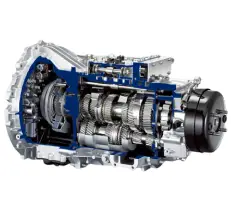

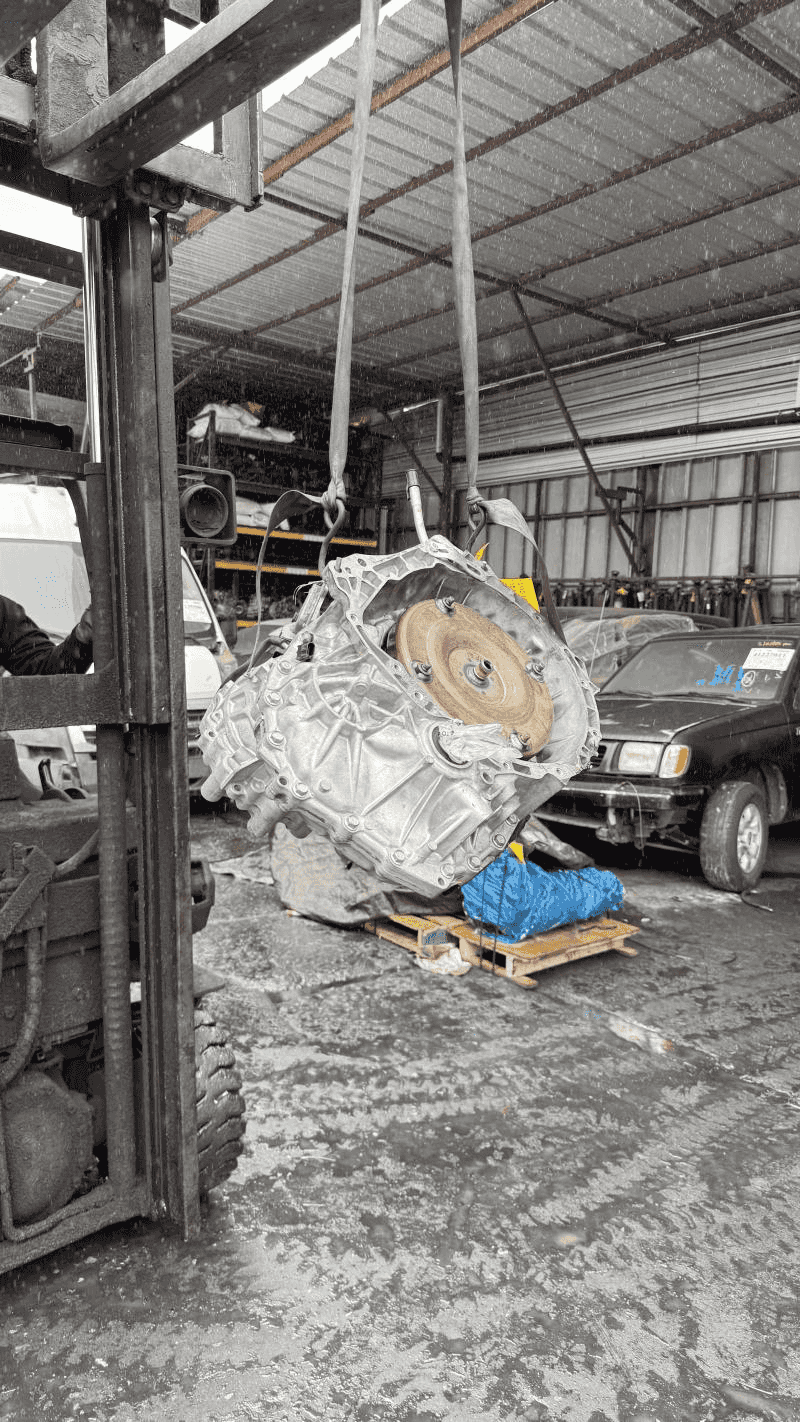
Generic used transmission — actual part may vary
Generic used transmission — actual part may vary
Generic used transmission — actual part may vary
The 2015 Nissan Rogue is known for its comfort, fuel efficiency, and family-friendly design—but when it comes to the transmission, buyers want clarity, not confusion. Whether you're replacing a failing unit, upgrading to a more reliable rebuild, or exploring a 2015 Nissan Rogue transmission for sale, having accurate information matters.
As specialists who work with Nissan drivetrains every day, we’ve handled hundreds of Rogue transmissions—from routine inspections to full replacements. This page breaks down exactly what you need to know before purchasing a 2015 Rogue transmission, including pricing, common issues, maintenance tips, and how to choose the right unit for long-term reliability.
The 2015 Nissan Rogue transmission is a CVT (Continuously Variable Transmission), designed to deliver smooth acceleration and improved fuel economy. Unlike traditional automatics, a CVT uses a belt-and-pulley system, which helps the Rogue maintain steady RPM levels and reduces gear-shifting shock.
The Rogue in 2015 came in trims like the 2015 Nissan Rogue SV and Nissan Rogue 2015 SL, but all of them used the same CVT system.
However—while the CVT design offers benefits—it’s no secret that the transmission on Nissan Rogue models from this era developed certain patterns of wear that buyers should understand.
Before purchasing a replacement or rebuilt unit, it’s important to know the most frequently reported 2015 Nissan Rogue problems related to the transmission. Not every vehicle experiences these issues, but awareness helps you avoid costly mistakes.
Many nissan rogue transmission issues come from heat buildup, especially during long drives, uphill climbing, or heavy load conditions. When overheated, CVTs may slip or reduce power to protect internal components.
Some owners mention vibration around 15–40 mph. This is one of the more noticeable nissan rogue cvt transmission problems, often tied to fluid degradation or internal belt wear.
A common symptom in older CVTs. This can be caused by poor maintenance, worn pulleys, or low-quality aftermarket fluid.
If you hear a high-pitched sound from the transmission area, it may be a sign of internal pressure issues or worn bearings.
Although not the majority, some units required full replacement due to belt damage or overheating—one reason why many buyers search for problems with 2015 Nissan Rogue transmission before purchasing.
These issues fall under broader nissan rogue 2015 problems and 2015 Nissan Rogue issues, which is why choosing a well-maintained replacement transmission is crucial.
As someone familiar with hundreds of Rogue CVT inspections, the root causes often boil down to:
Incorrect or old CVT transmission fluid
Poor maintenance or skipped fluid changes
High operating temperatures
Driving conditions that stress the CVT system
Factory design limitations in early CVT generations
The good news? With the right replacement unit and proper fluid maintenance, these problems become far less common.
The 2015 Nissan Rogue transmission price depends on whether you’re buying:
A used transmission
A remanufactured transmission
A rebuilt transmission
A new OEM CVT
On average:
Used CVT: More affordable, great for quick fixes
Rebuilt CVT: Professionally repaired, longer reliability
Remanufactured CVT: Fully restored with upgraded components
New OEM CVT: Most expensive but factory-standard
Most buyers prioritize remanufactured units because they offer a better balance of price and longevity.
The CVT transmission fluid Nissan Rogue models require is not optional—using the wrong fluid can destroy the transmission. Nissan recommends NS-3 CVT fluid, engineered for smooth operation and heat resistance.
Signs your Nissan Rogue transmission oil needs attention include:
Hesitation or slipping
Loud humming noises
Shuddering during acceleration
Dark or burnt-smelling fluid
Regular fluid changes significantly reduce transmission issues Nissan Rogue owners often face.
You should consider replacing your CVT if you experience:
Persistent jerking or shaking
Random acceleration drops
Repeated overheating warnings
Grinding or whining noises
Long delays when shifting from Park to Drive
If your Rogue is for sale or you're preparing it for long-distance driving, a replacement transmission can increase both reliability and resale value—especially if you're selling a Nissan Rogue 2015 for sale.
Replacing your CVT can solve long-term issues that repairs cannot. A proper replacement:
Restores smooth acceleration
Eliminates overheating problems
Extends vehicle lifespan
Improves confidence during highway driving
Reduces ongoing repair costs
Many owners replace their transmission after diagnosis of chronic nissan rogue transmission problems because it’s the most cost-effective long-term strategy.
Before buying, check for:
Mileage of the donor vehicle
Warranty coverage
Transmission testing or inspection reports
Updated components in remanufactured units
Compatibility with your trim (SV / SL / base model)
A reputable seller should always provide documentation and fluid recommendations.
If your Rogue is experiencing nissan rogue 2015 issues related to the CVT—or you want a dependable upgrade—it absolutely makes sense to purchase a replacement unit. The right transmission can breathe new life into your SUV, eliminating the common nissan rogue problems 2015 drivers mention and restoring the performance the Rogue is known for.
Whether you're fixing your current vehicle or preparing a Nissan Rogue 2015 for sale, choosing a quality remanufactured or used CVT ensures you get the best performance, reliability, and long-term value.