



Where Can I Find a High-Performance Dodge Viper Engine for Sale?
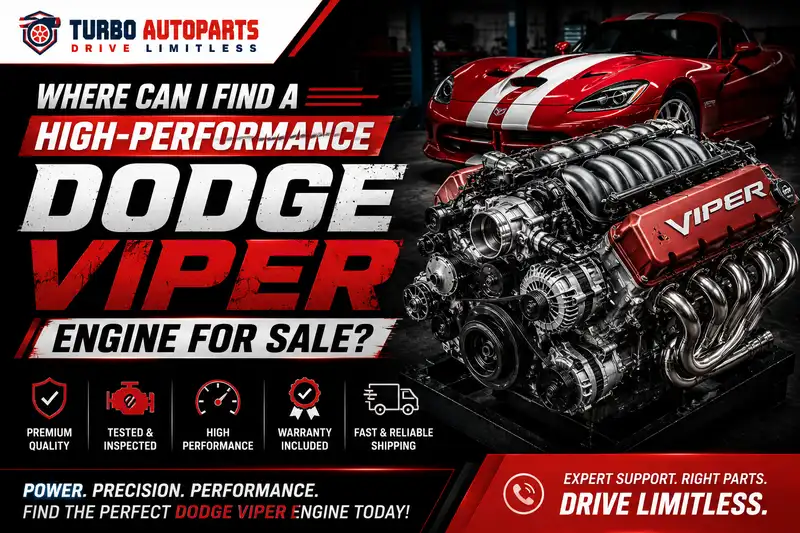
The Dodge Viper is one of America's most iconic performance cars, powered by the legendary naturally aspirated V10 engine. From the early 8.0L V10 to the final 8.4L V10, the Viper engine became famous for its massive horsepower, incredible torque, and unmistakable exhaust note. Because production ended in 2017, genuine replacement engines have become increasingly valuable. Many enthusiasts now search for a Dodge Viper engine for sale to restore classic Vipers, complete custom builds, or replace a damaged powertrain without sacrificing factory performance.
Whether you're looking for a Dodge Viper V10 engine for sale, an 8.4L V10 engine, or even searching for a Dodge Viper engine for sale in Canada, understanding compatibility, reliability, pricing, and warranty options will help you make a confident purchase.
Which Dodge Viper Engines Are Available?
Over five generations, Dodge introduced several versions of the V10 engine. Each generation offered improvements in horsepower, torque, and engine management.
The 1992–1995 RT/10 used the original 8.0L V10, producing around 400 horsepower. Later versions gained revised cylinder heads and increased output.
The 2003–2006 Dodge Viper SRT-10 introduced the larger 8.3L V10, producing approximately 500 horsepower. Many enthusiasts consider this engine one of the best combinations of durability and raw performance.
Beginning in 2008, Dodge launched the legendary 8.4L V10, generating between 600 and 645 horsepower, depending on the model year. Today, the Dodge Viper 8.4 V10 engine for sale remains one of the most sought-after replacement engines among collectors and performance builders.
Some enthusiasts also search online for a Dodge Viper engine V12 for sale. However, it is important to understand that Dodge never produced a factory V12-powered Viper. These searches usually refer to custom engine swap projects rather than original production vehicles.
How Much Does a Used Dodge Viper Engine Cost?
One of the most common questions buyers ask is about used Dodge Viper engine cost.
Pricing depends on engine generation, mileage, condition, and availability.
Typical market prices include:
- Early 8.0L V10: $7,000–$11,000
- 8.3L V10: $9,000–$15,000
- 8.4L V10: $13,000–$22,000+
Low-mileage engines with verified service history generally command higher prices. Complete long-block assemblies with accessories also cost more than bare engines.
When comparing listings, buyers should evaluate mileage, compression test results, engine code, and warranty instead of choosing solely based on price.
What Are the Common Issues with Pre-Owned Dodge Viper V10 Engines?
Although the Dodge Viper V10 is widely respected for its durability, every high-performance engine develops wear over time.
Common issues include oil leaks around valve cover gaskets, aging cooling hoses, worn motor mounts, and clutch-related drivetrain stress caused by aggressive driving.
Higher-mileage engines may also show signs of valve train wear, injector deposits, or cooling system corrosion if maintenance has been neglected.
Vehicles that have spent years on racetracks should receive a complete inspection before installation because repeated high-RPM operation increases wear on internal components.
A professional compression and leak-down test remains one of the best ways to evaluate any used V10 engine before purchase.
How Reliable Is the Dodge Viper V10 Engine?
The 8.3L Viper engine and 8.4L V10 are generally considered among the most reliable naturally aspirated performance engines ever produced.
Unlike many modern turbocharged engines, the Viper V10 uses a relatively simple design with fewer forced-induction components requiring maintenance.
Owners who follow recommended oil changes, cooling system service, and regular inspections often see these engines exceed 150,000 miles without major internal repairs.
For collectors and enthusiasts, the Viper V10 continues to represent one of Dodge's greatest engineering achievements.
How to Verify the Quality of a Used Engine Before Purchase?
Buying a used engine can save money, but verifying its quality is essential before making a purchase. Start by confirming the VIN, engine code, model year, and compatibility with your vehicle. Request the engine's mileage, service history, and compression or leak-down test results to assess its internal condition. Inspect for signs of oil leaks, overheating, cracked components, or excessive corrosion. If possible, choose an OEM engine that has been professionally tested and inspected. Buying from a trusted supplier that offers a warranty, transparent inspection reports, and fitment support provides added confidence. These steps help ensure you receive a reliable replacement engine with long-term performance.
Can You Swap a Viper Engine into Another Dodge?
Engine swaps remain popular among performance enthusiasts.
Projects involving a Dodge Ram with a Viper engine for sale have become legendary because the V10 provides exceptional torque for custom truck builds.
Some builders have also installed Viper engines into classic muscle cars and dedicated race vehicles.
Another common question is whether you can install a Hellcat engine in a Dodge Viper.
The answer is yes, but extensive modifications are required. The supercharged Hellcat V8 uses different electronics, cooling systems, engine mounts, wiring harnesses, and transmission configurations. While technically possible, the conversion is significantly more complex than replacing a factory Viper V10.
Why Warranty Matters When Buying a Used Dodge Viper Engine
A replacement engine represents a significant investment.
Before purchasing any Dodge Viper engine for sale, buyers should verify:
- VIN compatibility
- Engine generation
- Engine code
- Compression results
- Mileage
- Warranty coverage
Turbo Auto Parts supplies quality-tested used Dodge Viper engines backed by a 3-Year/30,000-Mile Warranty, free shipping to commercial addresses anywhere in the USA, and no extra core charges. Every engine is inspected for fitment and performance before shipment, helping buyers purchase with greater confidence.
Final Thoughts
Finding the right Dodge Viper engine for sale requires more than comparing prices. Buyers should understand engine generations, inspect mechanical condition, confirm compatibility, and purchase from a trusted supplier that offers warranty protection. Whether you're restoring a classic RT/10, rebuilding an SRT-10, or searching for a powerful 8.4L V10 engine, selecting a properly tested OEM engine helps preserve the performance that made the Dodge Viper an American automotive icon.
Frequently Asked Questions
What is the fastest Dodge Viper model?
The 2017 Dodge Viper ACR is widely regarded as the fastest production Viper. It produces 645 horsepower from its 8.4L V10 and set multiple road-course lap records.
How reliable is the 8.3L Dodge Viper engine?
The 8.3L V10 is highly reliable when maintained properly. Many engines exceed 150,000 miles with regular servicing.
What are the common problems with Dodge Vipers?
Common issues include oil leaks, cooling system wear, clutch wear, suspension bushing deterioration, and age-related electrical problems.
Is the Dodge Viper V10 reliable?
Yes. The naturally aspirated Viper V10 is considered one of the most dependable high-performance engines ever built because of its robust internal design.
Is the Viper V10 good for racing?
Yes. The Viper V10 delivers excellent horsepower and torque, making it popular for road racing, drag racing, and custom motorsport applications.
Can you put a Hellcat engine in a Viper?
Yes, but it requires extensive fabrication, custom wiring, cooling modifications, and drivetrain upgrades.
Are Dodge Vipers illegal?
No. Production Dodge Vipers are fully street legal where they meet local registration and emissions requirements. Certain modified or race-only versions may not be street legal.
What's faster, a Viper or a Corvette?
It depends on the generation. The 2017 Viper ACR outperforms many Corvettes on road courses, while newer Corvette Z06 and Corvette ZR1 models may be quicker in acceleration and top-speed testing.
Where can I find a Dodge Viper engine for sale in Canada?
Many Canadian buyers purchase through specialty performance engine suppliers, local salvage yards, or reputable U.S. retailers that offer international shipping and compatibility support.
What is the average price of a used Dodge Viper V10 engine?
Most used Dodge Viper V10 engines sell between $7,000 and $22,000, depending on the generation, mileage, condition, and included accessories.