



Used Engine for Sale: Affordable Solutions for Engine Replacement
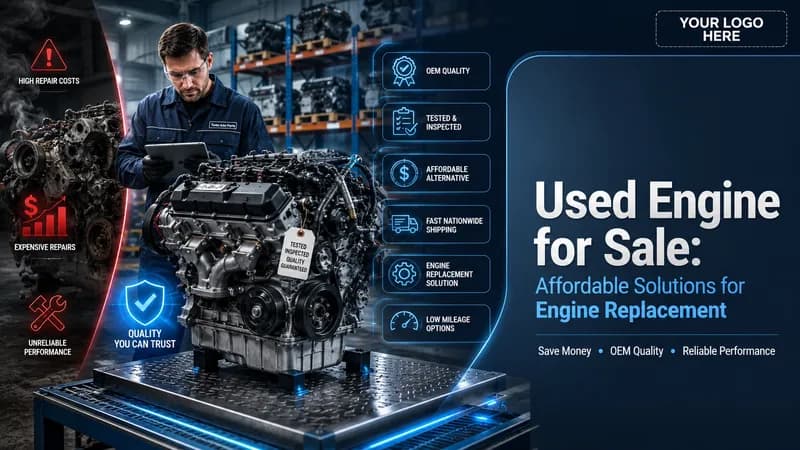
When an engine fails, many vehicle owners assume they must either purchase a brand-new engine or replace the entire vehicle. However, there is another option that can save thousands of dollars while extending the life of a car, truck, SUV, or van: purchasing a used low milage engines. For drivers looking for a reliable and budget-friendly solution, a used engine for sale can provide the performance they need without the high cost associated with new components.
This guide explains everything you need to know about used engines, including their benefits, how to choose the right one, common questions buyers ask, and why a quality used engine can be a smart investment.
What Is a Used Engine?
A used engine is an original equipment manufacturer (OEM) engine that has been removed from a vehicle and made available for resale. Most used engines come from vehicles that have been involved in accidents, retired due to age, or dismantled for parts. In many cases, the low milage engines remains in good working condition even when the rest of the vehicle is no longer roadworthy.
Before being offered for sale by reputable suppliers, used engines are often inspected, tested, and evaluated to help ensure they meet quality standards. Buyers can find low milage engines for a wide variety of domestic and imported vehicles, including Ford, Chevrolet, GMC, Dodge, Jeep, Toyota, Honda, Nissan, BMW, Mercedes-Benz, Audi, and many others.
Why Do Vehicle Owners Need Engine Replacement?
Engine replacement becomes necessary when the existing engine experiences severe damage or wear. Some of the most common causes include:
Overheating that damages internal components
Lack of oil causing engine seizure
Timing chain or timing belt failure
Cracked engine block
Rod knock or bearing failure
Excessive oil consumption
High mileage wear
Catastrophic mechanical failure
When repair costs become too high, replacing the engine often makes more financial sense than rebuilding it or purchasing another vehicle.
Why Choose a Used Engine for Sale?
Many vehicle owners choose used engines because they offer a balance between affordability and reliability.
Lower Cost Than New Engines
One of the biggest advantages of buying a used engine is the potential cost savings. New engines can be extremely expensive, especially for modern vehicles with advanced technology. A quality used engine can often cost significantly less while providing years of dependable service.
OEM Quality
Used engines are original factory-built units. This means they were designed specifically for the vehicle and meet the manufacturer's specifications for fit, performance, and compatibility.
Faster Availability
Many used engines are already in inventory and ready for shipment. This can reduce vehicle downtime compared to ordering a new engine, which may involve long wait times.
Environmentally Friendly Option
Reusing automotive components helps reduce waste and supports sustainability. Purchasing a used engine gives an existing part a second life instead of sending it to a recycling facility or landfill.
How to Find the Right Used Engine
Finding the correct engine requires more than simply matching the vehicle make and model.
Verify Vehicle Information
Always provide accurate vehicle details, including:
Year
Make
Model
Engine size
VIN number
Transmission type
Even vehicles from the same model year may have different engine configurations.
Match Engine Codes
Many manufacturers produce multiple engine options for a single vehicle. Matching the engine code helps ensure proper compatibility.
Confirm Mileage
Engine mileage is an important factor when evaluating a used engine. Lower-mileage engines generally have less wear and may provide a longer service life.
Review Inspection Information
Ask whether the engine has undergone inspection or testing. Reputable suppliers often perform visual inspections and evaluate engine condition before listing inventory.
Common Types of Used Engines Available
The used engine market includes a wide range of options for nearly every vehicle category.
Gasoline Engines
Gasoline engines remain the most common replacement option for passenger vehicles and light-duty trucks.
Examples include:
Ford EcoBoost engines
Chevrolet Vortec engines
Toyota V6 engines
Honda i-VTEC engines
Nissan VQ engines
Diesel Engines
Diesel engines are widely used in heavy-duty trucks, commercial vehicles, and certain passenger vehicles.
Popular diesel engines include:
Cummins engines
Duramax engines
Power Stroke engines
Mercedes-Benz diesel engines
Performance Engines
Performance enthusiasts often search for used engines from sports cars and high-performance vehicles.
Examples include:
Chevrolet LS engines
Ford Coyote engines
Dodge HEMI engines
BMW M-Series engines
Questions Buyers Frequently Ask
Is a Used Engine Reliable?
A used engine can be reliable when sourced from a reputable supplier. Factors such as mileage, maintenance history, and inspection procedures all contribute to engine quality.
How Long Does a Used Engine Last?
Engine lifespan varies based on maintenance, mileage, and operating conditions. Many used engines continue operating for tens of thousands of miles when properly installed and maintained.
Is a Used Engine Better Than Rebuilding?
The answer depends on the condition of the original engine. In many situations, a used engine provides a faster and more cost-effective solution than a complete rebuild.
Can I Install a Used Engine Myself?
Some experienced mechanics and automotive enthusiasts perform engine replacements themselves. However, professional installation is generally recommended to ensure proper fitment and operation.
Signs You May Need an Engine Replacement
Recognizing the warning signs early can help prevent unexpected breakdowns.
Persistent Overheating
Repeated overheating can damage cylinder heads, gaskets, and engine blocks.
Excessive Exhaust Smoke
Blue, white, or black smoke may indicate serious internal engine problems.
Knocking or Tapping Sounds
Unusual noises often point to worn
How Much Does It Cost to Replace an Engine With a Used Engine?
The cost to replace an engine with a used engine typically ranges from $2,000 to $8,000, depending on the vehicle, engine type, labor costs, and availability.
For smaller vehicles, the total replacement cost is usually lower, while luxury vehicles, diesel trucks, and performance cars may require a larger investment. The engine itself often represents a significant portion of the total expense, making it important to find a reliable supplier.
At Turbo Auto Parts, customers can find quality used engines for a wide range of makes and models at competitive prices. Choosing a tested used engine can significantly reduce replacement costs compared to purchasing a brand-new engine.
How Can I Get an Engine for Cheap?
The most affordable way to get an engine is to purchase a quality used OEM engine from a trusted auto parts supplier.
Buying a used engine allows vehicle owners to restore their vehicle without paying the premium price of a new engine. Before purchasing, it is important to compare prices, verify compatibility, review mileage information, and choose a supplier that inspects its inventory.
Turbo Auto Parts specializes in affordable used engines sourced from salvage and donor vehicles across the United States. Their extensive inventory helps customers locate cost-effective engine replacement solutions for domestic and imported vehicles.
How Much Does a Second-Hand Engine Cost?
A second-hand engine generally costs between $500 and $5,000, depending on factors such as:
Vehicle make and model
Engine size
Mileage
Availability
Engine condition
Market demand
Common four-cylinder engines are usually less expensive than diesel, luxury, or high-performance engines. Lower-mileage engines may cost more upfront but often provide greater long-term value.
Turbo Auto Parts offers a large selection of second-hand engines for cars, trucks, SUVs, and vans, helping customers find an engine that fits both their vehicle and budget.
How Much Is a Used Engine From the Junkyard?
Used engines from junkyards typically cost between $300 and $2,500, depending on the vehicle and engine type.
While junkyard engines can offer attractive pricing, buyers may have limited information regarding maintenance history, mileage accuracy, or internal condition. Some engines may also require additional inspection before installation.
Many vehicle owners choose suppliers such as Turbo Auto Parts because they provide access to inspected used engines, compatibility assistance, and nationwide inventory options. This helps reduce the uncertainty often associated with purchasing an engine directly from a junkyard.