



How to Buy a Used Engine Without Getting Scammed
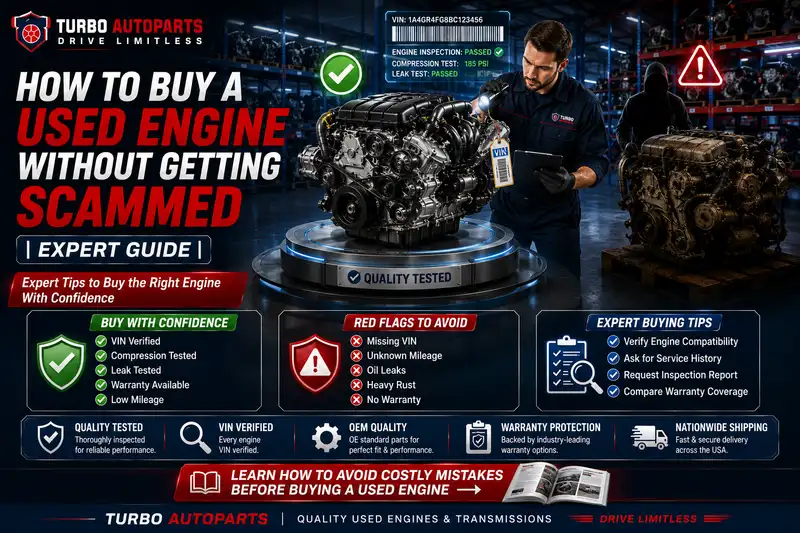
Buying a used engine is one of the most cost-effective ways to get your vehicle back on the road after a major engine failure. Whether your engine has been damaged by overheating, excessive oil consumption, timing chain failure, or internal wear, a quality replacement can often save thousands of dollars compared to buying a new engine or replacing the vehicle. However, the growing demand for used engines for sale has also created opportunities for dishonest sellers to misrepresent engine condition, mileage, or compatibility. Many buyers end up paying for engines that have hidden damage, incorrect specifications, or no warranty protection.
Learning how to buy a used engine without getting scammed starts with understanding what to inspect, what questions to ask, and how to verify that the engine matches your vehicle. This guide explains the most important steps before purchasing a replacement engine, helping you avoid costly mistakes while finding an OEM engine that delivers dependable long-term performance.
Understand What a Used Engine Really Is?
A used engine is an original factory-built engine removed from another vehicle. In many cases, donor vehicles are retired because of collision damage, flood-free insurance write-offs, or cosmetic issues rather than engine failure. This means the engine itself may still have thousands of miles of reliable service remaining.
Unlike rebuilt or remanufactured engines, a used engine retains its original internal components. Many reputable suppliers inspect these engines before resale by checking compression, performing visual inspections, and verifying mileage and compatibility. Buying an OEM used engine allows you to retain the manufacturer's original engineering, which is often preferred for factory fitment and performance.
Not every used engine is the same, though. Some engines come from vehicles with complete service records and low mileage, while others may have been poorly maintained. Understanding the engine's history is one of the first steps toward making a safe purchase.
Research the Seller Before You Buy
One of the easiest ways to avoid getting scammed is by choosing a reputable engine supplier. A trustworthy seller should provide transparent information about the engine's condition, mileage, warranty, and compatibility. If a seller refuses to answer basic questions or cannot verify the engine's origin, it is best to continue your search elsewhere.
Before making a purchase, read customer reviews across multiple platforms instead of relying only on testimonials displayed on the seller's website. Independent reviews often reveal how the company handles shipping, warranty claims, customer service, and product quality. Look for businesses with consistent positive feedback and a long history in the automotive industry.
A professional supplier should also explain how the engine was inspected before being listed for sale. This information demonstrates confidence in the product and helps buyers understand what they are purchasing.
Always Verify VIN and Engine Compatibility
One of the most common mistakes buyers make is assuming that engines from similar vehicles are automatically interchangeable. Modern vehicles often have different engine codes, production dates, emissions systems, electronic control modules, and drivetrain configurations, even within the same model year.
Before purchasing any used replacement engine, verify your Vehicle Identification Number (VIN), engine code, production date, transmission type, and drivetrain configuration. Matching these details ensures the replacement engine will work correctly with your vehicle's electronics, wiring harness, and emissions equipment.
For example, two vehicles may both use a 2.0-liter engine, yet one could include different sensors, turbochargers, intake systems, or software calibrations. Installing the wrong engine can result in expensive modifications, warning lights, or poor performance.
Many professional suppliers use VIN matching to confirm compatibility before shipping an engine. This extra verification helps eliminate installation problems while giving buyers greater confidence.
Ask About Engine Mileage and Service History
Mileage is another important factor when evaluating a used engine for sale. While lower mileage often indicates less wear, engine condition matters just as much. A well-maintained engine with 90,000 miles may perform better than a neglected engine with only 50,000 miles.
Ask whether the supplier can verify engine mileage using the donor vehicle's records. Service history is equally valuable because regular oil changes, cooling system maintenance, and scheduled repairs significantly extend engine life.
Whenever possible, request information about the donor vehicle, including whether it was involved in a collision, how the engine was tested, and whether it showed any signs of overheating or internal damage before removal.
Engines with documented maintenance histories generally provide greater peace of mind than engines with unknown backgrounds.
Request Inspection and Compression Test Results
A reliable supplier should inspect every engine before offering it for sale. Compression testing is one of the most valuable evaluations because it measures the sealing ability of each cylinder. Consistent compression readings indicate healthy pistons, piston rings, valves, and cylinder walls.
In addition to compression testing, ask whether technicians inspected for oil leaks, coolant contamination, cracked engine components, damaged wiring, or excessive sludge buildup. A visual inspection alone cannot reveal every problem, but it provides important insight into the engine's overall condition.
Some suppliers also perform leak-down testing, which offers an even more detailed evaluation of internal engine health. Choosing an engine that has been professionally inspected reduces the likelihood of unexpected repairs after installation.
Compare More Than Just the Price
Many buyers believe the cheapest engine is the best deal, but the lowest price often comes with the highest risk. Some sellers advertise extremely low prices to attract customers but fail to mention hidden shipping fees, missing components, high-mileage engines, or limited warranty coverage. In some cases, buyers receive an engine that differs from the advertised specifications or requires expensive repairs before installation.
Instead of focusing only on cost, compare the engine's overall value. Check whether the engine includes verified mileage, OEM compatibility, inspection reports, warranty protection, and customer support. A slightly higher-priced engine that has been professionally tested usually offers better long-term value than a cheaper engine with an unknown history. Investing in a quality-tested replacement engine can reduce repair costs and provide greater peace of mind.
Understand the Warranty and Return Policy Before Purchasing
A warranty is one of the strongest indicators that a supplier stands behind its products. Before purchasing a used engine, carefully review the warranty terms and understand what is covered. Some warranties protect only internal engine components, while others may include replacement coverage for specific failures. Reading the return policy is equally important because it explains the conditions for returns, exchanges, and warranty claims.
Ask the supplier whether installation must be performed by a certified repair facility and whether maintenance records are required to maintain warranty coverage. Clear warranty terms protect both the buyer and the seller while reducing misunderstandings after the purchase. Choosing a supplier that offers transparent warranty coverage demonstrates confidence in the quality of the engine being sold.
Watch for Common Used Engine Scams
Unfortunately, scams remain common in the used auto parts industry. One of the most frequent scams involves selling engines with inaccurate mileage or replacing identification labels to make high-mileage engines appear newer. Some dishonest sellers advertise stock photos instead of actual engine images, making it impossible to verify the product's condition. Others request full payment before providing documentation or fail to respond once the purchase is complete.
Be cautious if a seller refuses to provide the VIN, engine code, or photos of the actual engine. Avoid suppliers that cannot answer basic compatibility questions or pressure you into making an immediate purchase. If an offer seems significantly cheaper than every other listing, it deserves additional investigation. Reliable sellers are transparent about engine condition, testing procedures, warranty details, and shipping timelines.
Choose a Supplier That Verifies Compatibility
The best suppliers do more than simply sell engines—they help customers purchase the correct engine for their vehicle. Professional engine suppliers verify compatibility using the VIN, engine code, drivetrain, production date, and emissions configuration before shipping. This process helps prevent installation delays and reduces the risk of receiving an incorrect engine.
A reputable supplier should also provide knowledgeable customer support throughout the buying process. Whether you have questions about engine specifications, compatibility, warranty coverage, or installation requirements, experienced support staff should be able to provide clear and accurate answers. This level of service is especially valuable for modern vehicles equipped with multiple engine variants.
Final Thoughts
Buying a used engine does not have to be risky when you follow the right process. Researching the supplier, verifying VIN compatibility, checking engine mileage, requesting inspection reports, understanding warranty coverage, and comparing overall value instead of price alone are the most effective ways to avoid scams. Taking time to ask the right questions before purchasing can prevent expensive installation problems and unexpected repair costs later.
If you are looking for a dependable replacement engine, Turbo Auto Parts supplies quality-tested OEM used engines for a wide range of domestic and imported vehicles. Every qualifying engine includes a 3-Year/30,000-Mile Warranty, free shipping to commercial addresses anywhere in the USA, and no extra core charges. Each engine is inspected for quality and compatibility before shipment, helping customers purchase with confidence and restore their vehicles using reliable OEM replacement parts.
Frequently Asked Questions
1. How can I avoid getting scammed when buying a used engine?
Buy from a reputable supplier, verify the VIN and engine code, review warranty terms, request inspection reports, and avoid sellers who cannot provide engine history or compatibility details.
2. What should I check before buying a used engine?
Confirm the engine code, VIN compatibility, mileage, service history, compression test results, warranty coverage, and return policy before making a purchase.
3. Is a used engine worth buying?
Yes. A quality-tested OEM used engine can provide reliable performance and significant cost savings compared to a new or remanufactured engine, especially when purchased from a trusted supplier.
4. What is considered good mileage for a used engine?
Most buyers look for engines with fewer than 100,000 miles, but maintenance history and overall condition are often more important than mileage alone.
5. Should I buy a used engine with a warranty?
Yes. A warranty provides added protection against unexpected defects and demonstrates that the supplier has confidence in the engine's quality.
6. How do I know if a used engine is compatible with my vehicle?
Match the VIN, engine code, model year, drivetrain, transmission type, and emissions specifications before purchasing the replacement engine.
7. Can a used engine last as long as the original engine?
Yes. A properly maintained OEM used engine can often provide many years of reliable service when installed correctly and maintained according to the manufacturer's recommendations.
8. What documents should a used engine supplier provide?
A reputable supplier should provide the engine's VIN (when available), mileage information, inspection details, warranty documentation, and compatibility confirmation.
9. Why are some used engines much cheaper than others?
Lower prices may indicate higher mileage, unknown history, limited warranty coverage, missing components, or poor inspection standards. Always compare overall value instead of price alone.
10. Why should I choose Turbo Auto Parts for a used engine?
Turbo Auto Parts offers quality-tested OEM used engines with a 3-Year/30,000-Mile Warranty, free commercial shipping across the USA, no extra core charges, and expert fitment assistance to help customers find the right replacement engine.